
US Military Launches New Air Strikes Against ISIL Fighters in Nigeria
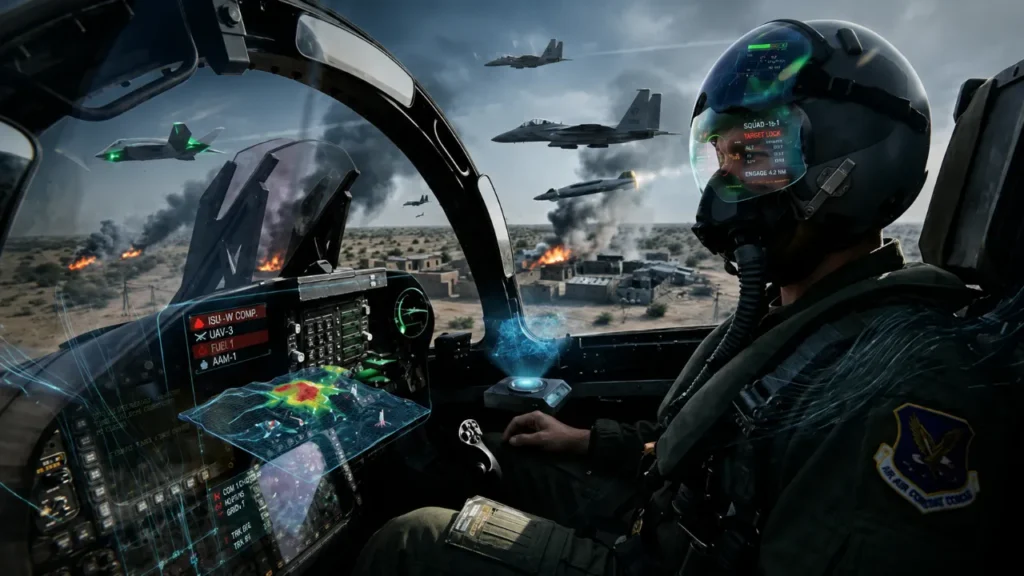
The United States military has carried out another series of air strikes against ISIL-linked fighters in northeastern Nigeria, intensifying joint counterterrorism operations alongside Nigerian security forces.
US Africa Command, commonly known as AFRICOM, confirmed on Monday that additional strikes were conducted over the weekend in coordination with the Nigerian government. The operation targeted armed fighters associated with the Islamic State West Africa Province (ISWAP), one of the region’s most dangerous extremist groups.
According to AFRICOM, the latest military action was successful and no American or Nigerian personnel were injured during the operation.
In an official statement, the US military said the strikes were aimed at weakening the group’s ability to organize attacks and threaten regional security.
“The removal of these terrorists diminishes the group’s capacity to plan attacks that threaten the safety and security of the United States and our partners,” AFRICOM said. The command added that it remains committed to supporting allied nations with intelligence, surveillance, and specialized military capabilities to combat extremist threats across Africa.
Strikes Follow Killing of Senior ISIL Commander
The new air strikes came only days after the United States and Nigeria announced the killing of Abu-Bilal al-Minuki, described by officials as one of ISIL’s top commanders in West Africa.
Nigerian President Bola Tinubu said al-Minuki was killed alongside several senior lieutenants during a joint military operation targeting a compound in the Lake Chad Basin area, a region long considered a stronghold for armed groups operating across Nigeria, Chad, Niger, and Cameroon.
US President Donald Trump first revealed the operation in a social media statement on Friday but did not provide details about the exact timing or location of the strike.
Military officials say al-Minuki previously served as a prominent Boko Haram commander before pledging allegiance to ISIL in 2015. Over time, he reportedly became a major operational leader within ISWAP, overseeing extremist activities across parts of West Africa and the Sahel region.
Security experts believe his death could significantly weaken the organization’s leadership structure.
Dennis Amachree, a former director within Nigeria’s Department of State Services, said the elimination of al-Minuki could create serious disruptions within ISWAP’s operations.
According to Amachree, many high-ranking fighters were reportedly killed during the strike, potentially damaging the group’s command system and financial networks.
Growing US Military Support in Nigeria
The latest coordinated strikes highlight expanding military cooperation between Washington and Abuja as both countries attempt to contain growing extremist violence in the region.
Over recent months, dozens of US military personnel have reportedly been deployed to Nigeria to provide technical assistance, intelligence sharing, and strategic support to Nigerian forces battling insurgent groups.
Nigerian Defence Headquarters spokesperson Samaila Uba previously stated that American troops would not engage directly in frontline combat operations. Instead, their role focuses on surveillance, intelligence coordination, training, and logistical assistance under the authority of Nigerian commanders.
The Lake Chad region has experienced years of instability due to insurgent attacks, kidnappings, bombings, and cross-border violence linked to Boko Haram and ISWAP fighters.
Extremist Violence Continues Across Northeast Nigeria
Despite years of military operations, armed groups continue to launch attacks in northeastern Nigeria and surrounding countries. Communities in the region frequently face kidnappings, raids on villages, attacks on security forces, and assaults on civilians.
In recent months, authorities have reported an increase in suicide bombings and ambushes carried out by extremist groups adapting new tactics to avoid military pressure.
Analysts say the insurgency has evolved into a complex regional security crisis affecting millions of people across the Lake Chad Basin.
Thousands of civilians have been displaced from their homes while humanitarian agencies continue warning about food insecurity, poverty, and limited access to healthcare in conflict-affected areas.
Debate Over Religious Violence Claims
The renewed US military involvement also comes amid political debate surrounding violence in Nigeria.
Earlier this year, President Trump suggested that attacks by armed groups specifically targeted Christians in Nigeria and warned that additional military action could follow if killings continued.
Speaking to The New York Times after earlier US strikes, Trump said he hoped the attacks would be a “one-time strike” but indicated further operations could occur if violence persisted.
The Nigerian government has rejected claims that extremist violence is directed solely at Christians. Officials and analysts argue that victims include Muslims, Christians, and people from various ethnic communities across affected regions.
Security researchers say the conflict is driven by a combination of extremism, territorial control, criminal networks, and economic instability rather than exclusively religious motivations.
Continued Counterterrorism Campaign Expected
Military analysts believe additional joint operations between Nigeria and the United States are likely in the coming months as authorities attempt to weaken ISWAP leadership and reduce the group’s operational reach.
While recent strikes have eliminated several senior commanders, experts warn that extremist organizations in the region remain capable of regrouping and launching new attacks.
For many communities across northeastern Nigeria, ongoing insecurity continues to shape daily life as governments and international partners struggle to restore long-term stability in one of Africa’s most volatile regions.